Practical standards and rules of thumb for cold weather placement in footings and foundations.

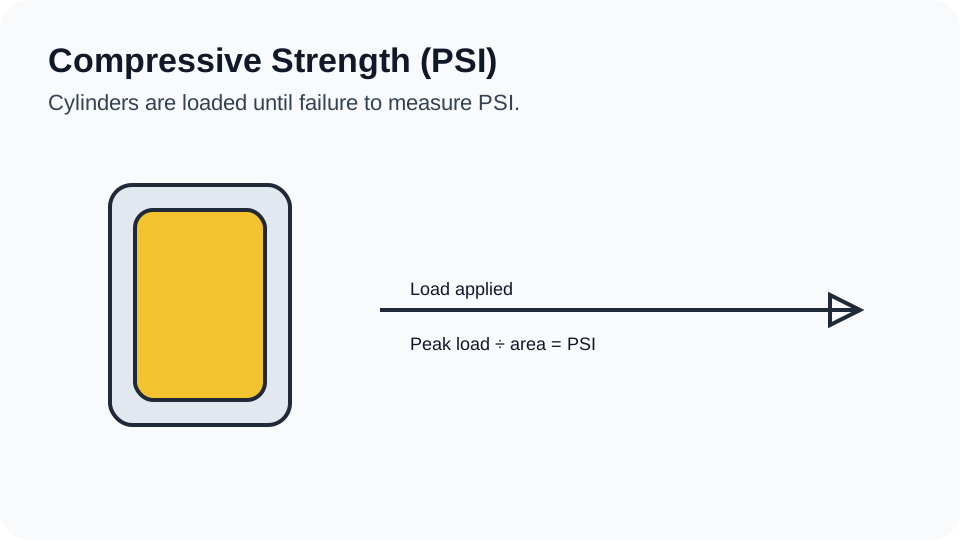
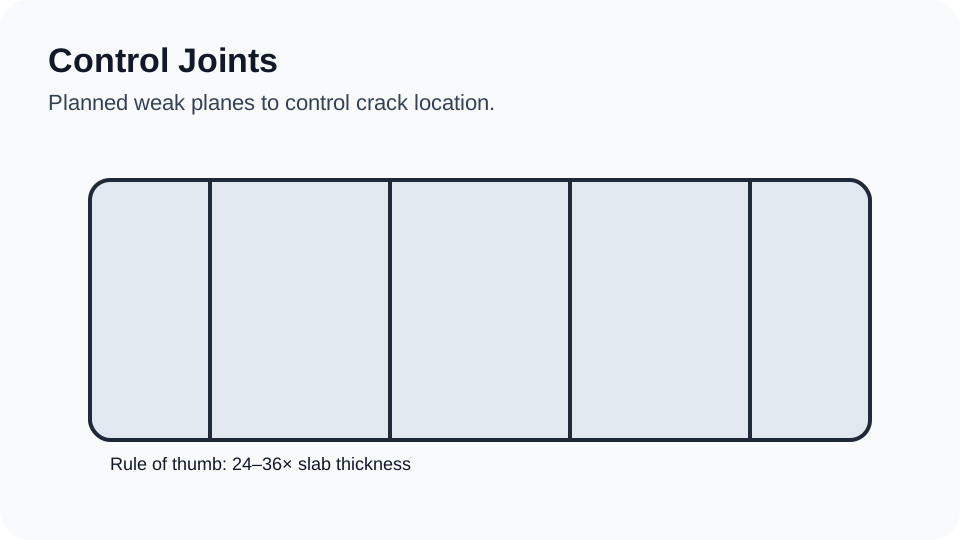
This page defines Cold Weather Placement in plain language and summarizes common standards used in the field.
Prevent freezing during early hydration; use blankets/enclosures.
Use approved accelerators; avoid chlorides near reinforcing steel.
Increase protection for thin sections and high exposure.
Confirm application, loads, and exposure (freeze-thaw, salts, abrasion).
Verify subgrade condition and compaction.
Verify reinforcement placement (chairs, ties, cover).
Plan curing method and weather protection before the pour starts.
Practical items that support measurement, placement, and curing (affiliate link).
Cold Weather Placement is explained here with practical ranges, why it matters, and what changes for higher-demand applications.
Standards depend on application, loads, and exposure. This page summarizes common practice and when to step up requirements.
Top issues include poor curing, poor base prep, incorrect reinforcement placement, and premature loading.
No. Use this as a reference; follow engineered plans, product data, and local codes for structural work.