PSI explained with examples and when higher PSI is required.
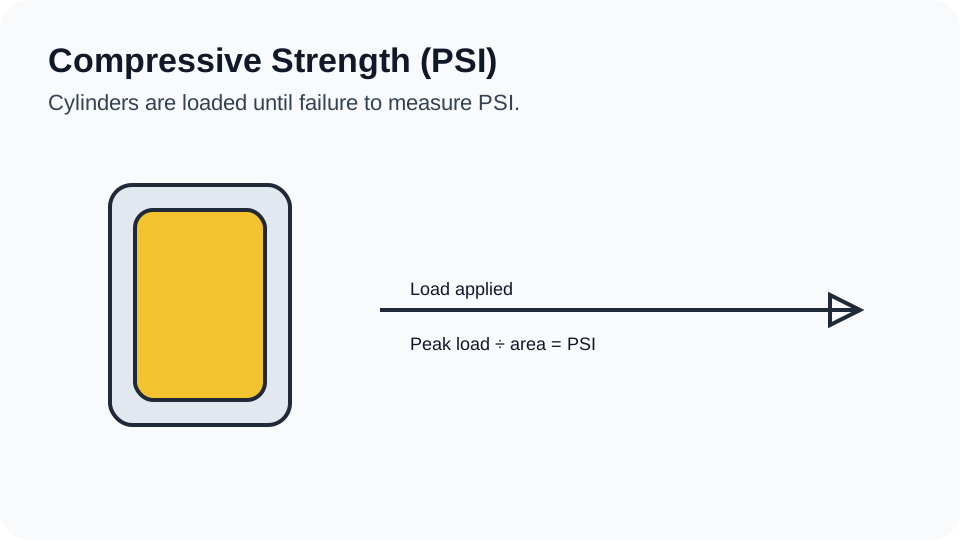
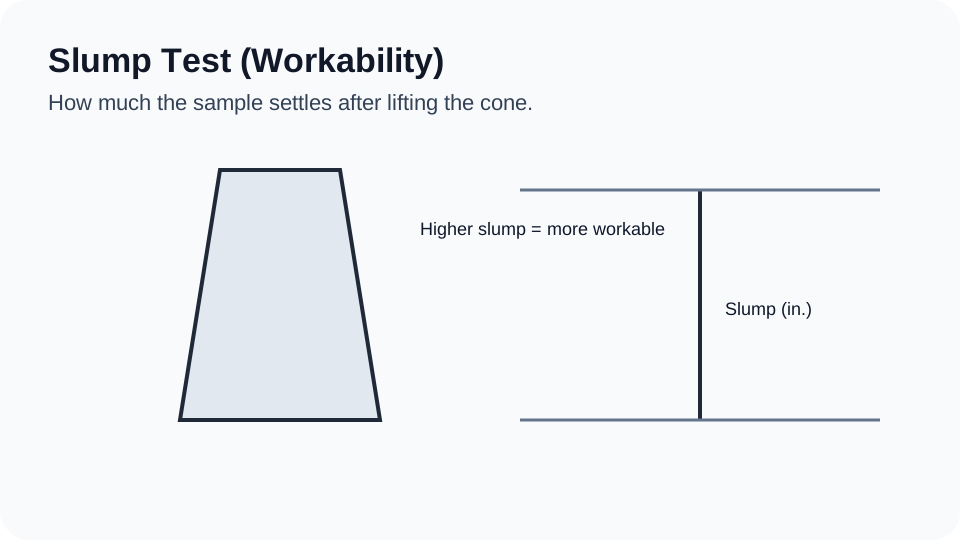
PSI explained with examples and when higher PSI is required.
Concrete performance is systems-based: mix, base, reinforcement, placement, finishing, and curing all matter.
Many failures trace to moisture loss, poor support, or early loading.
Confirm exposure and loads before ordering.
Control water addition at the truck; use admixtures when appropriate.
Plan curing before the pour starts; wind is often the hidden risk.
Use rules of thumb to scope, then verify with local code/engineering for structural work.
Improve curing and base prep first for the biggest durability gains.
Practical items that support measurement, placement, and curing (affiliate link).
What Concrete PSI Means is explained here with practical ranges, why it matters, and what changes for higher-demand applications.
Standards depend on application, loads, and exposure. This page summarizes common practice and when to step up requirements.
Top issues include poor curing, poor base prep, incorrect reinforcement placement, and premature loading.
No. Use this as a reference; follow engineered plans, product data, and local codes for structural work.