Curing best practices at 50°F, strength gain expectations, and crack reduction for house slabs.
Curing preserves moisture and temperature so hydration continues. Poor curing reduces strength and increases cracking.
Plastic, curing blankets, wet burlap, and curing compounds are common. Choose based on conditions and duration.
Cool temps slow hydration; hot temps increase evaporation risk. Adjust protection accordingly.
Wind and sun can dry the surface quickly—use windbreaks and moisture retention.
Use strength development as the benchmark. When uncertain, wait longer.
Practical items that support measurement, placement, and curing (affiliate link).
curing is explained here with practical ranges, why it matters, and what changes for higher-demand applications.
Standards depend on application, loads, and exposure. This page summarizes common practice and when to step up requirements.
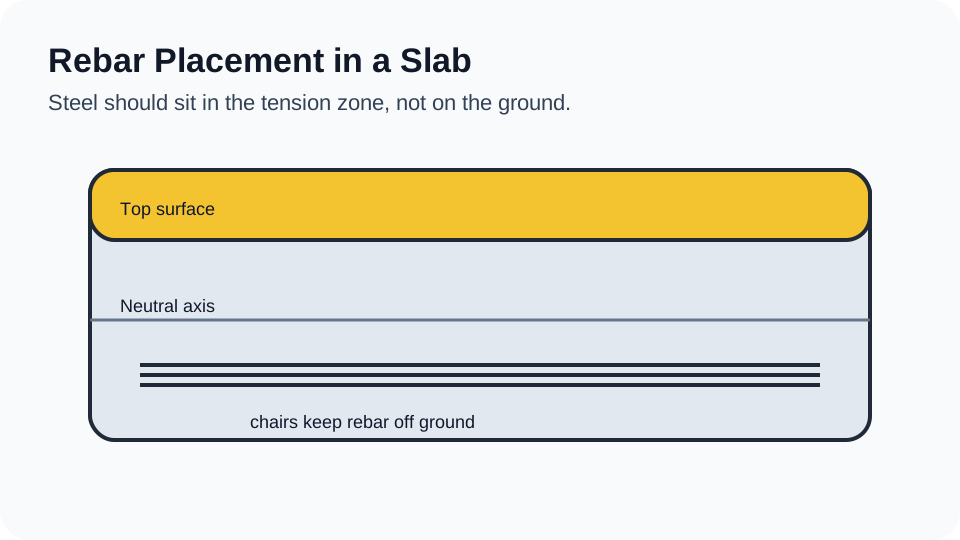
Top issues include poor curing, poor base prep, incorrect reinforcement placement, and premature loading.
No. Use this as a reference; follow engineered plans, product data, and local codes for structural work.